Everyday Watch Care Guide: How to Keep Your Watch Looking New (2026)
This guide covers practical, low-effort habits to protect your watch from scratches, moisture damage, strap deterioration, and premature aging.If you wear an automatic watch, this deeper routine covers daily wear, storage, and servicing in more detail: How to Maintain an Automatic Watch: Daily Wear, Storage & Servicing
https://www.globalwatchfair.com/blogs/How-to-Maintain-an-Automatic-Watch:-Daily-Wear,-Storage-Servicing
 1) Know what “water resistance” actually protects you from
Many watch problems start with moisture. “Water resistant” doesn’t mean “waterproof,” and it definitely doesn’t mean “safe in all conditions.”If you’re deciding whether an automatic or quartz watch better fits your lifestyle (especially around water and maintenance), read: Automatic Watch vs Quartz: Differences, Pros & Which to Choose
https://www.globalwatchfair.com/blogs/Automatic-Watch-vs-Quartz:-Differences,-Pros-Which-to-Choose
Practical rules that prevent most water damage:
-
Avoid hot showers and steam (heat can stress gaskets/seals).
-
Avoid saunas and hot tubs with any watch.
-
Don’t expose your watch to strong water jets (high-pressure taps).
-
If your watch has pushers/buttons, don’t press them underwater.
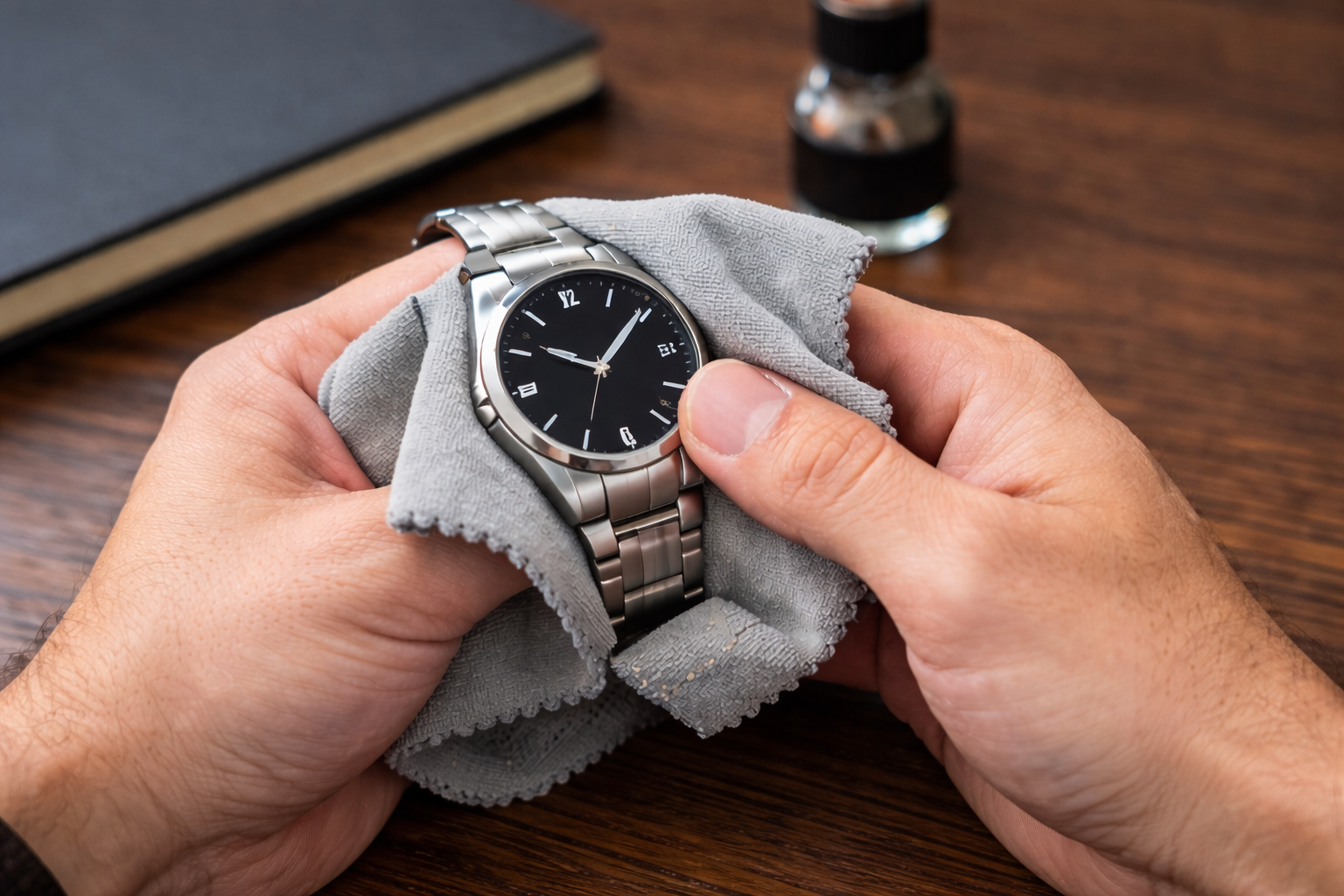
Quick habit: If your watch gets wet, dry it with a soft cloth and let it air out before storing it.
 2) Clean your watch the right way (2 minutes, once a week)
Skin oils, dust, and sweat build up faster than most people realize—especially under the case and around the clasp.
For stainless steel cases/bracelets
-
Wipe with a microfiber cloth after wear.
-
For deeper cleaning: use a slightly damp cloth, then dry immediately.
For leather straps
-
Keep leather away from heavy sweat and water.
-
Wipe with a dry cloth and let it breathe—don’t store leather in sealed, humid places.
For rubber/nylon straps
-
Rinse with clean water after workouts and dry fully.
Avoid: harsh chemicals, alcohol wipes, abrasive sponges, and “polishing pastes” unless you truly know what you’re doing.Want a quick beginner-friendly explanation of what’s inside the case and why care matters? Read: How Does an Automatic Watch Work? Simple Beginner Guide
https://www.globalwatchfair.com/blogs/How-Does-an-Automatic-Watch-Work-Simple-Beginner-Guide-Meta-Description(≤155)
3) Prevent scratches with small daily changes
Most scratches come from the same situations:
-
typing at a desk (watch rubs against the edge)
-
doorframes and countertops
-
stacking jewelry on the same wrist
Simple scratch-prevention habits:
-
Don’t wear your watch tight enough to grind against surfaces.
-
Remove your watch before lifting heavy objects or moving furniture.
-
Store it in a soft pouch when traveling.
If your watch has a polished finish, expect micro-scratches over time—this is normal and often part of “daily wear character.”
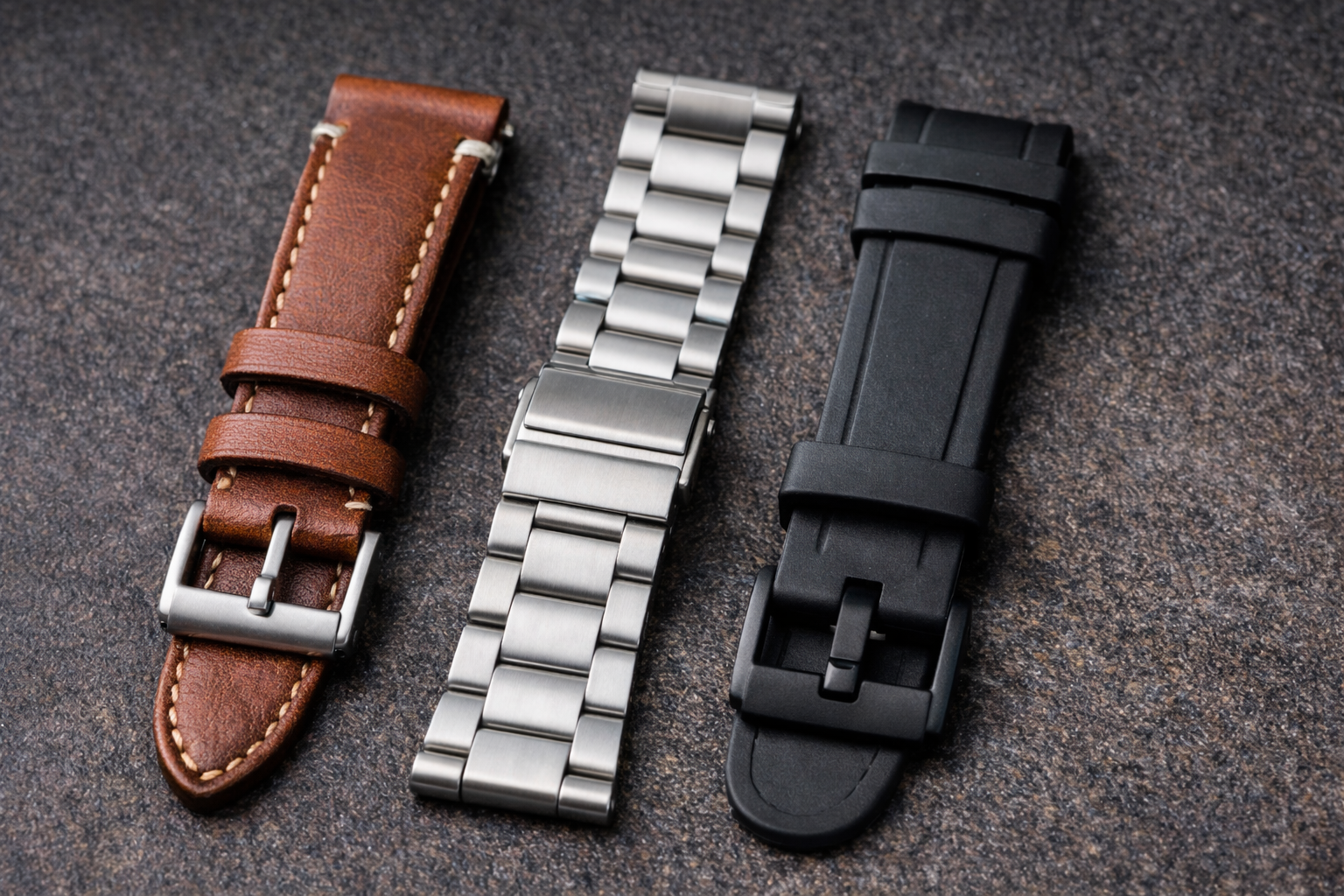
4) Strap care: the fastest way to improve comfort (and style)
Straps are the most underrated part of watch ownership because they impact both comfort and the look of the watch.
Quick strap tips
-
Rotate straps if you wear the watch daily.
-
Let leather dry fully after humid days.
-
Clean rubber/nylon straps regularly if you sweat.
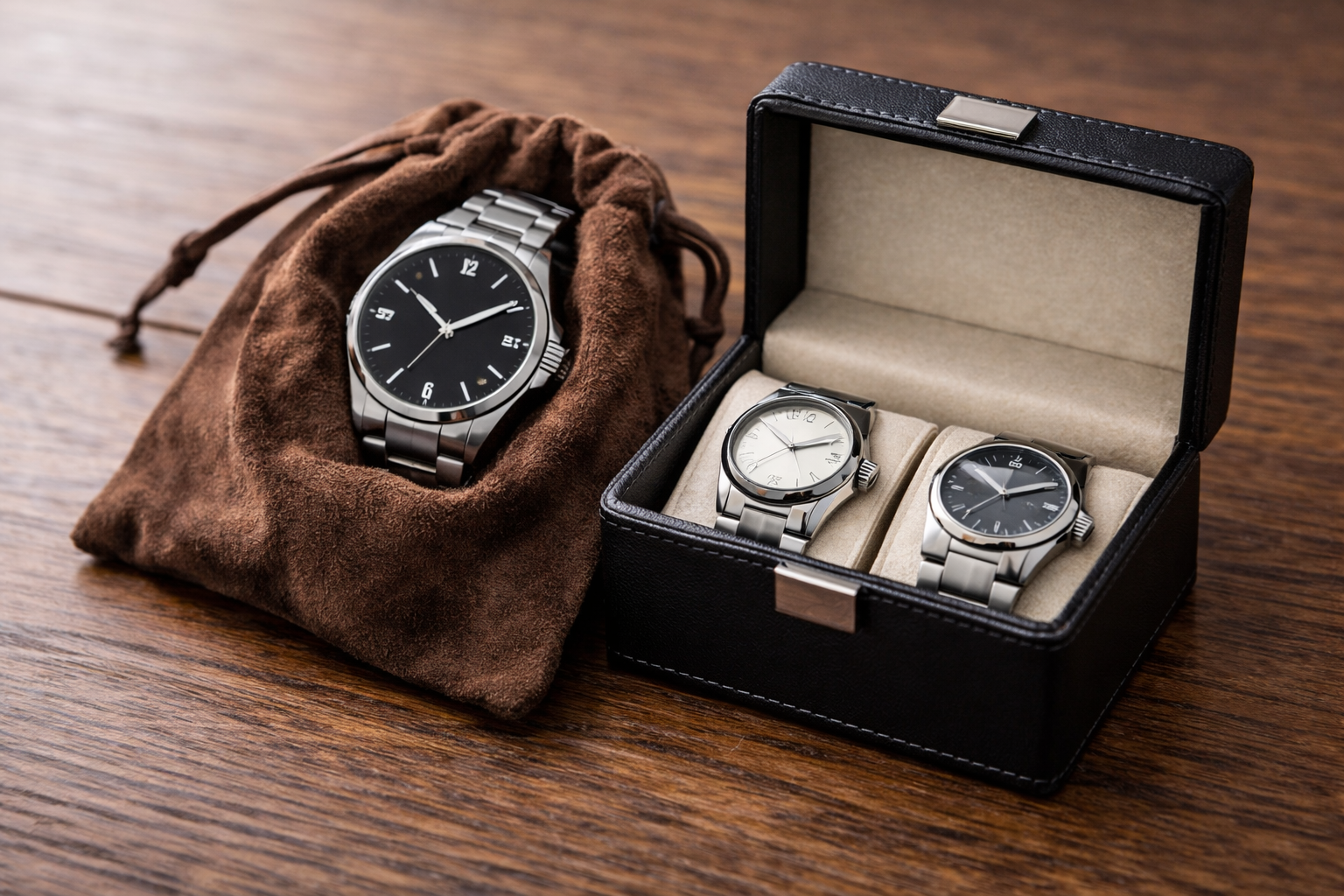 5) Storage: don’t leave your watch in the worst places
Bad storage can age a watch quickly.
Avoid storing your watch:
-
in direct sunlight on a windowsill
-
in a humid bathroom
-
near strong magnets (some devices/speakers)
Better options:
-
a cool, dry drawer
-
a watch box
-
a soft pouch when traveling
If you own multiple watches, rotating them reduces wear on any single piece.
6) When should you service or check a watch?
You don’t need to overthink servicing, but you should know the warning signs.
Consider a check if you notice:
-
fogging under the crystal
-
moisture after exposure to rain/splashes
-
crown feels loose or gritty
-
timekeeping changes suddenly
-
unusual rattling
If you’re unsure, it’s safer to stop wearing it until it’s inspected.
If your timekeeping suddenly changes, this guide explains what “normal” accuracy looks like: Are Automatic Watches Accurate?
https://www.globalwatchfair.com/blogs/are-automatic-watches-accurate
And if your watch stops after sitting for a day or two, this explains power reserve and easy fixes: Do Automatic Watches Stop If Not Worn?
https://www.globalwatchfair.com/blogs/do-automatic-watches-stop-if-not-worn
7) A simple “watch care checklist” to save
-
Wipe with microfiber after wear
-
Avoid steam/sauna/hot showers
-
Dry after getting wet
-
Clean straps based on material
-
Store cool and dry
-
Check for fogging or loose crown
FAQ
-
Can I wash my watch with soap and water?
For steel bracelets, mild soap with water can be OK if the watch is suitably water resistant and you avoid hot water/steam—then dry thoroughly. For leather straps, avoid soap and water. -
How often should I clean my watch bracelet?
A quick wipe after wear helps; deeper cleaning once a week is enough for most people. -
What should I do if I see fog under the crystal?
Stop wearing it and get it checked. Fog usually means moisture got inside. -
Are microfiber cloths safe for sapphire crystals?
Yes—microfiber is the safest daily option. Avoid abrasive towels or paper tissues. -
Do polishing cloths remove scratches?
They can remove light marks, but aggressive polishing can change finishing. For valuable watches, avoid DIY polishing pastes.
Recommended reading
-
How to Maintain an Automatic Watch: Daily Wear, Storage & Servicing
https://www.globalwatchfair.com/blogs/How-to-Maintain-an-Automatic-Watch:-Daily-Wear,-Storage-Servicing -
What Is an Automatic Watch? Pros, Cons & Who Should Buy One
https://www.globalwatchfair.com/blogs/What-Is-an-Automatic-Watch-Pros,-Cons-Who-Should-Buy-One -
Automatic Watch vs Quartz: Differences, Pros & Which to Choose
https://www.globalwatchfair.com/blogs/Automatic-Watch-vs-Quartz:-Differences,-Pros-Which-to-Choose
Final thoughts
Most watch damage isn’t dramatic—it’s slow, daily wear that adds up. A few small habits (wipe, dry, store properly, avoid steam) will keep your watch looking great and wearing comfortably.